
Compact Mirror Samples: Define the Open View
For a folding compact mirror sample, define the closed state, normal open viewing state and the identity of each reflective face. Ask the supplier to demonstrate the intended opening and closing method for the exact version. Record observed movement and closure against an agreed reference; a catalogue photograph does not establish hinge strength, opening angle or service life.
Two buyers can receive the same folding compact and describe it differently: one checks its appearance while closed, while the other judges the mirror with both faces open. A useful approval record names those states before either person writes accepted. This guide concerns the operating view and the evidence needed to describe it. It does not specify a shipping pack or claim that a photographed hinge has passed a durability test.
1. Identify the sample before opening it
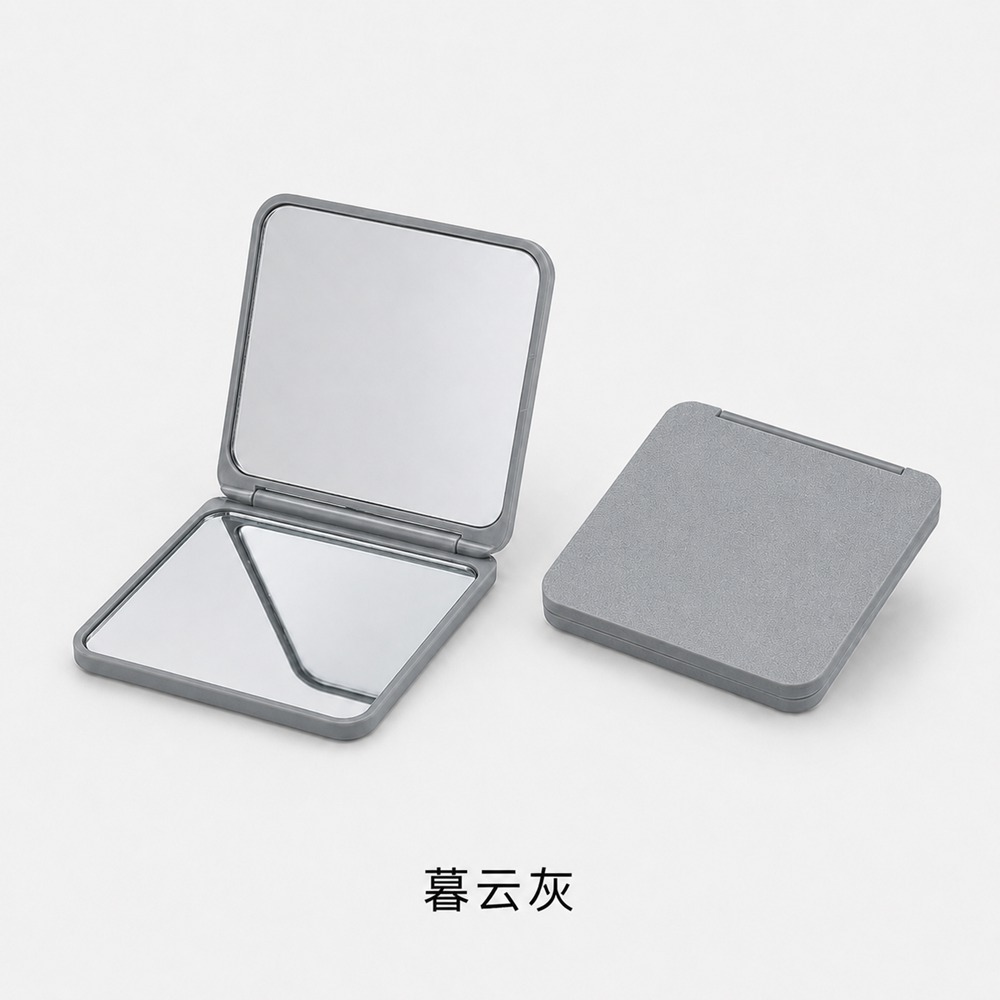
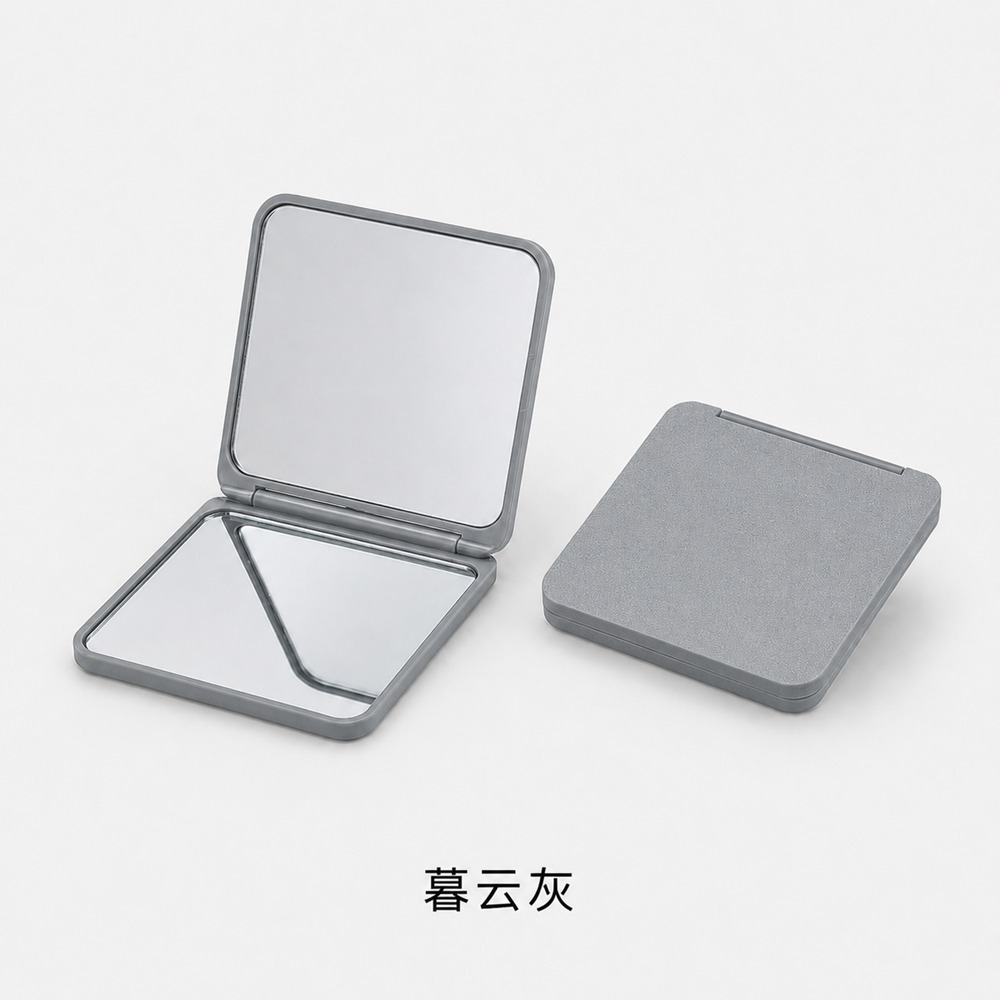
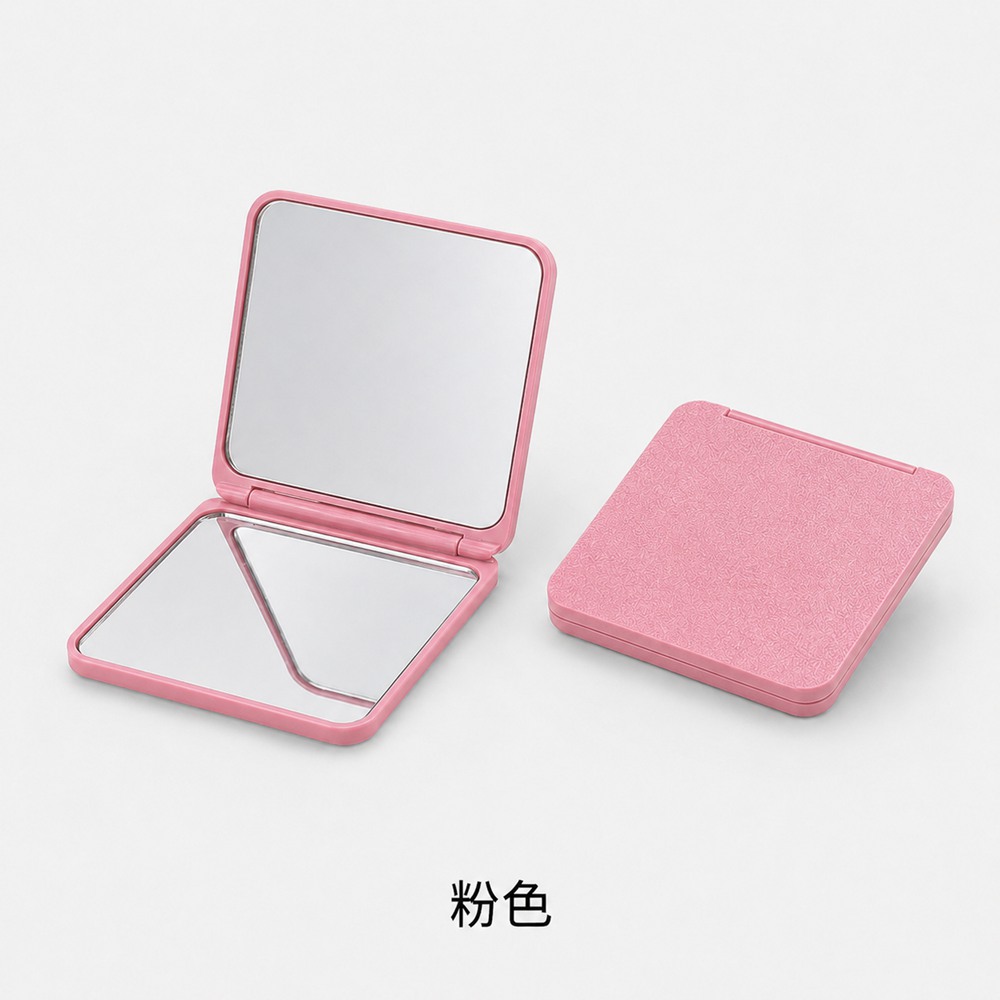
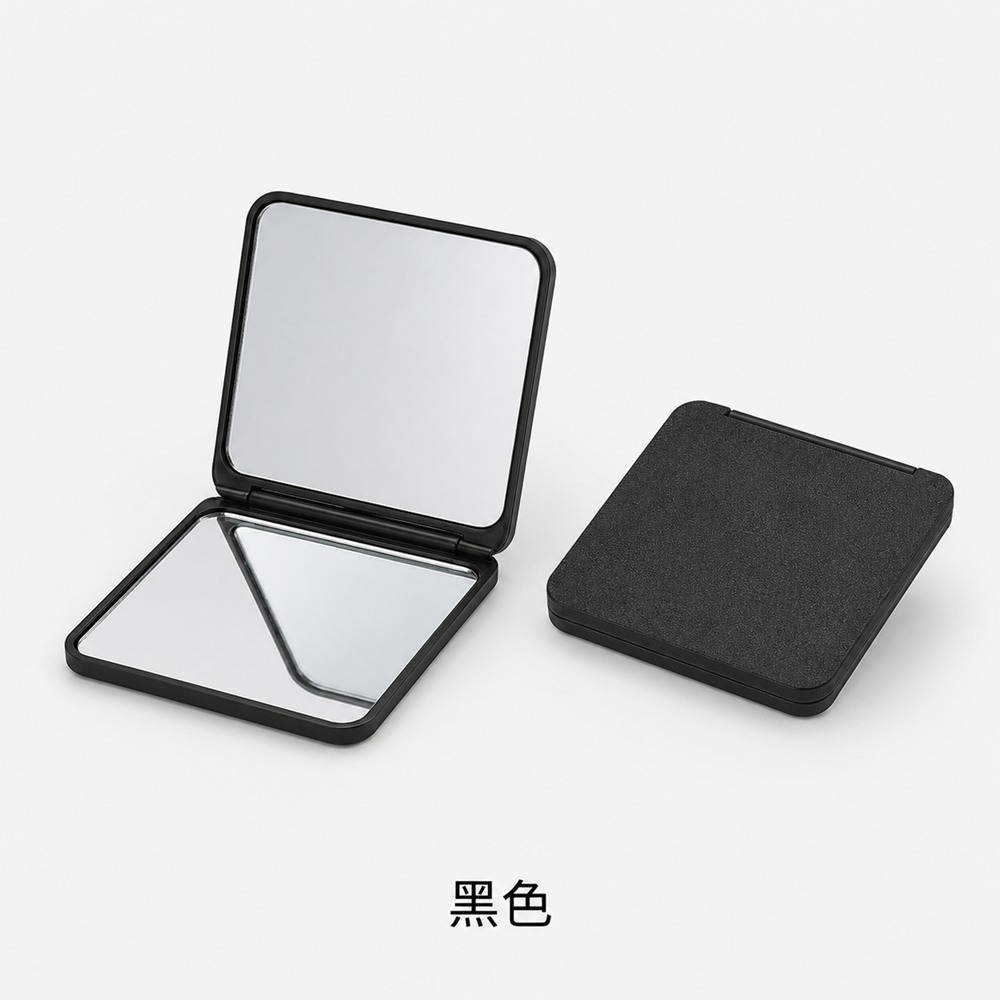
Start with the supplier item reference, selected colour and the physical sample identifier. The square folding compact listing shows an open example beside a closed case, and describes plain mirrors on both sides. Keep those facts attached to this product reference. Do not transfer a magnification description, lighting function or opening method from another compact merely because the outer shape looks similar.
Ask the supplier which face should be called the upper face and which the lower face when the compact is held in the intended orientation. A simple annotated photograph can establish this convention. This avoids later comments such as the second mirror looks different when each reviewer has numbered the faces from a different starting point.
Official catalogue reference: square folding compact mirror.
2. Agree the normal viewing state
Request a photograph or short demonstration of the normal open viewing position for the actual sample. Ask whether the user is expected to hold the case, support it on a surface, or use it in another specified manner. An open product photograph shows a presentation position; it does not prove that every production unit holds that position unsupported.
If an opening angle matters to the buyer, agree how that angle will be described and measured with the supplier. Keep the angle reference, supporting surface and direction of measurement together. Avoid forcing the hinge beyond the supplier’s stated operating range to reproduce an advertising pose. Any requirement beyond normal operation needs a separate agreed evaluation method.
- Assign an identifier to the exact sample and selected colour.
- Name the upper and lower reflective faces consistently.
- Request the intended opening and closing demonstration.
- Agree any measurement method before setting an angle requirement.
3. Separate movement from appearance
Appearance observations and movement observations belong in different fields. A case may have the requested colour while its closing action differs from the agreed reference. Conversely, a minor reflection in a photograph should not be described as a hinge problem. Record what the reviewer actually saw or felt, and identify the sample rather than generalising about the whole product family.
Use a shared observation table to discuss differences with the supplier. The entries below are questions for an approval discussion, not pass limits or completed tests. If the order needs a defined cycling assessment, ask the responsible parties to agree the method, sample quantity and acceptance criteria before an assessment is commissioned.
| Reference state | What to record | What remains to confirm |
|---|---|---|
| Closed case | Orientation and visible alignment | Normal closure mechanism and appearance |
| Open viewing position | Supporting method and face identity | Whether the position is intended for use |
| Movement observation | Sample and operation performed | Any separately agreed evaluation criteria |
4. Record closure without inventing a latch
Ask how the selected version closes and how a reviewer should recognise its normal closed state. Do not assume a magnetic closure, snap catch or particular latch material from the front image. A written supplier description and a demonstration on the selected sample are more useful than attaching an unverified mechanism name to a purchase order.
Photograph the closed case from consistent sides and note any visible gap that requires clarification. Ask the supplier to explain whether that feature is intentional before treating it as a defect. Where alignment matters, identify the edges being compared. The purpose is to establish one observable reference that both parties can discuss, without claiming a universal tolerance.
5. Keep the approval evidence linked
Retain the supplier’s operating instructions, the labelled sample photographs and the comments resolved during review. Name the accepted reference state in the approval note, so a later reviewer can reproduce the same orientation. If a colour or construction version changes, confirm whether the movement reference still applies instead of silently extending approval to every variant.
A practical enquiry can attach three views: closed exterior, intended open position and a closer image of the identified hinge or closure area. Ask the supplier to answer unresolved questions against that exact sample. This creates a clear operating reference while leaving transport protection, artwork approval and any formal performance testing in their own specifications.
Frequently Asked Questions
Does an open photograph prove that the hinge holds that angle?
No. The image is a catalogue presentation. Ask the supplier to demonstrate the intended operating position on the selected physical version and document whether it is held or supported.
Are both faces magnifying?
The selected square folding compact listing describes plain mirrors on both sides. Confirm the exact ordered version before describing its reflective function; two faces do not establish magnification.
Can opening and closing a sample prove its service life?
An ordinary sample review records the actions actually performed. A service life claim requires a separately defined assessment and supporting evidence. Do not turn a short handling observation into a durability guarantee.
For a product-specific enquiry, square folding compact mirror is the catalogue starting point. Read the supplier blog and contact the supplier with the references and open questions described above.