
Pocket Compact Mirrors: Packing and Labels
Plan pocket compact mirror packing around the closed product, hinge or fold, exterior finish and the receiving unit your business needs. Keep each style identifiable, prevent unwanted contact between delicate surfaces and confirm the packed dimensions with a real sample. Approve labels separately from product decoration, and request evidence for any protective or material claim before using it commercially.
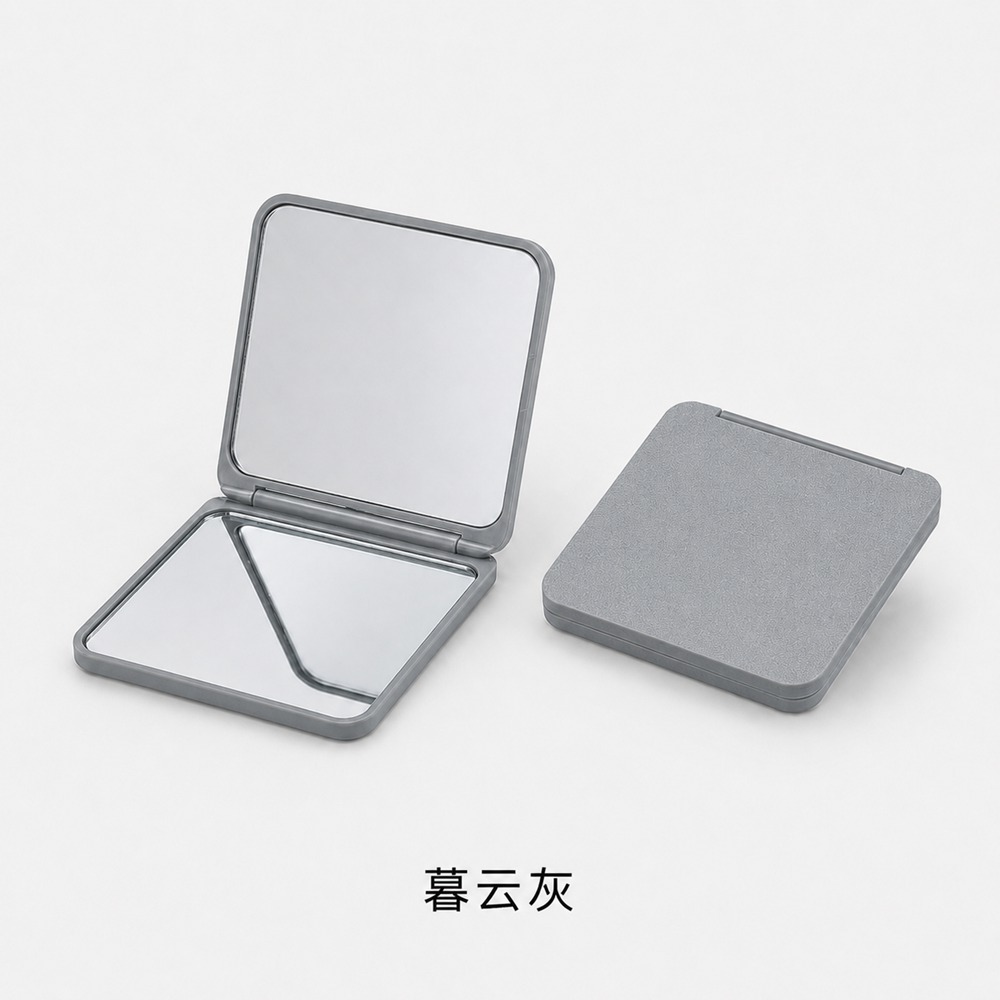
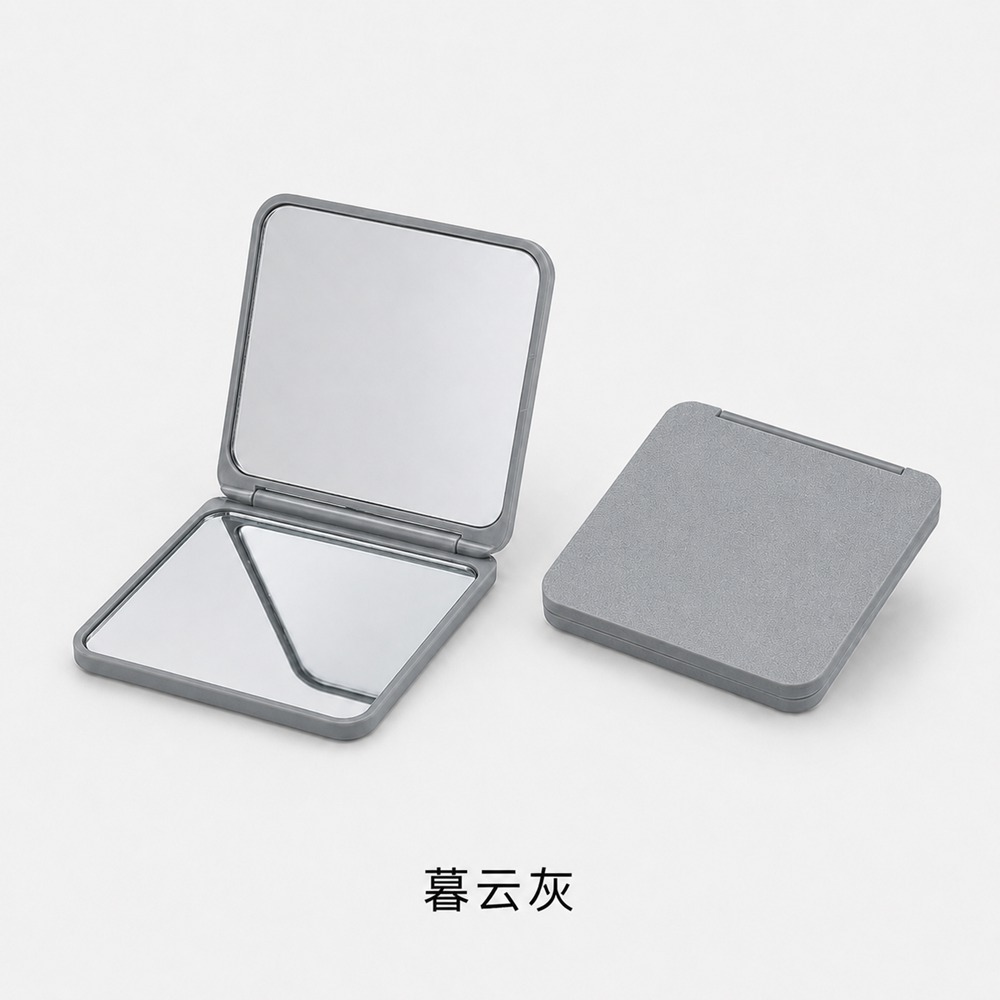
Pocket mirrors do not share one packaging problem. Qinzhuo lists a double-sided folding compact in an ABS case, a rose-shaped folding compact and a PU-covered folding mirror. Their different shapes and surfaces call for separate packing decisions. This article addresses how an importer or gift buyer should define those decisions; it does not assume a particular protective pack is already included.
1. Identify what must travel inside the pack
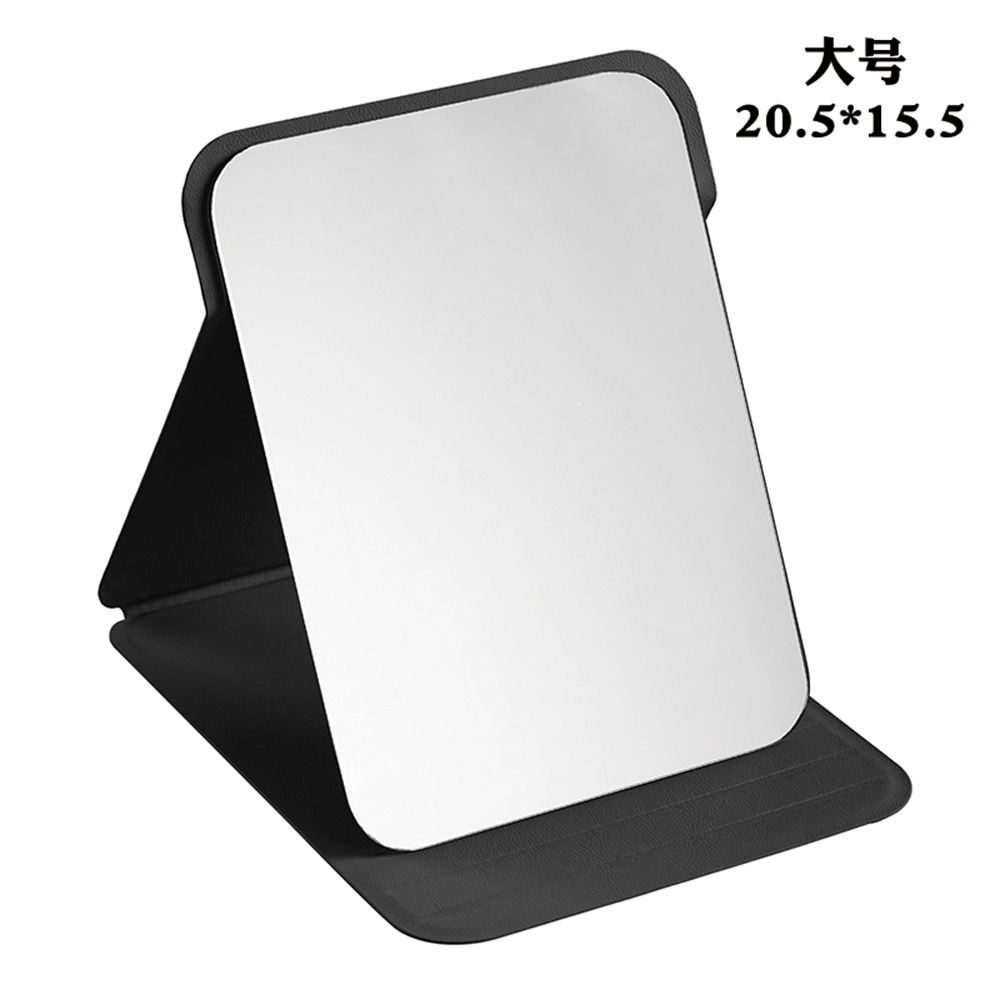
Begin with the exact mirror variant and its closed form. Ask the supplier to confirm the finished dimensions and any protruding decoration, hinge or closure. Packaging should be developed around the selected item rather than a generic category dimension. If a dimension printed on an image differs from a typed specification, request a reconciled measurement before fixing the package size.
Confirm whether an insert, instruction card or cleaning accessory is part of the order. Keep those items on the packing list instead of inferring them from a styled photograph. A gift presentation pack and a protective shipping arrangement may involve different components and should be quoted accordingly.
Catalogue references: double-sided foldable compact, mini rose folding compact, PU folding compact mirror.
2. Discuss contact points for each construction
For the folding ABS compact, ask how the hinge and outer case will sit in the proposed pack. For the rose-shaped model, consider the raised exterior details and the clearance they need. For the PU-covered model, discuss the folded cover and areas where rubbing or pressure could leave visible marks.
Ask for a packed sample and examine how the item is restrained without unwanted pressure. Do not prescribe a universal packing material from a photograph. The supplier should confirm the proposed arrangement, and any required transport evaluation should use the actual item and pack rather than an unrelated model.

- Confirm closed dimensions for the exact selected variant.
- Review protection and gift presentation separately.
- Make product, inner-pack and carton identities consistent.
3. Compare protection with presentation
An importer supplying retail shelves may need a different opening experience from a buyer preparing a promotional gift. Define the handling route first: warehouse receipt, individual picking, store display or gift assembly. Then decide which packing elements are necessary for that route and which are optional presentation choices.
Use the table to discuss the selected catalogue families. These are review points, not claims that a particular protective solution has passed a transport test. Ask the quotation to identify the proposed materials, included components and any separate packing work so the scope remains clear.
| Catalogue reference | Packing discussion | Label check |
|---|---|---|
| Folding ABS compact | Hinge clearance and case contact | Design and color identification |
| Rose-shaped compact | Raised decoration and surface separation | Finish and selected style |
| PU folding mirror | Cover position and pressure points | Size variant and artwork version |
4. Separate product artwork from identification labels
A decorative print identifies the mirror’s appearance; a stock label identifies the item being received and picked. Specify a clear item code, selected color or design and a consistent description for each variant. If barcodes are required, provide the buyer-approved data and layout rather than asking the supplier to invent a retail identifier.
Keep label placement away from surfaces where removal could affect the intended finish, unless that location has been approved. Review a real labeled pack for readability and adhesion appropriate to the chosen material. Confirm any destination-specific wording with the responsible buyer before artwork is released.
5. Agree warehouse units and damage reporting
State how units should be grouped for receiving, storage and order picking. Ask the supplier to confirm the actual inner-pack and carton arrangement, and make mixed assortments explicit. A carton marked only as mirrors can leave staff opening every unit to locate a particular color or style.
Before ordering, agree what receiving staff should photograph when a pack or item arrives damaged: outer carton, label, packing position and affected product. Confirm the reporting route and commercial resolution directly with the supplier. Retain the approved packed sample so later differences can be described against a shared physical reference.
Frequently Asked Questions
Does a folding case replace shipping protection?
Do not assume that it does. The closed case is part of the product, while the shipping arrangement must be reviewed for the actual handling route. Request a packed sample and agree any required transport evaluation separately.
Are both sides of a compact always magnifying?
No. The selected square folding and mini rose listings describe plain or flat mirrors on both sides. Confirm the exact mirror function when preparing retail descriptions, and avoid adding magnification claims because a product is double-sided.
Can several colors share one carton description?
Use a shared description only if the assortment remains clearly identifiable. Provide a variant schedule and confirm how inner packs and cartons show the contents. Receiving staff should be able to locate the correct item without relying on the decorative image alone.
Send the selected variants, handling route, approved label data and preferred receiving units. Request a proposed packing specification and a finished packed sample before confirming the bulk order. Browse the product catalogue, read the compact mirror selection overview or contact the supplier.