
Mirror RFQs: Separate Pieces, Faces and Extras
Define the quoted mirror unit as a named complete item, then list its reflective faces and any separately supplied components. A folding compact with two faces is not automatically two saleable mirrors, and an LED mirror photograph does not confirm an included cable or adaptor. Request quantity, unit basis and inclusion details on the same quotation revision before comparing offers.
A quotation can use the word piece for a complete mirror, a glass component or an accessory. Comparing the numbers before resolving that ambiguity can produce a misleading purchasing decision. This guide uses handheld, folding compact and LED catalogue references to explain one practical task: establishing what the quoted quantity actually buys. It does not propose prices, commercial terms or a standard accessory kit.
1. Write the complete item into the RFQ
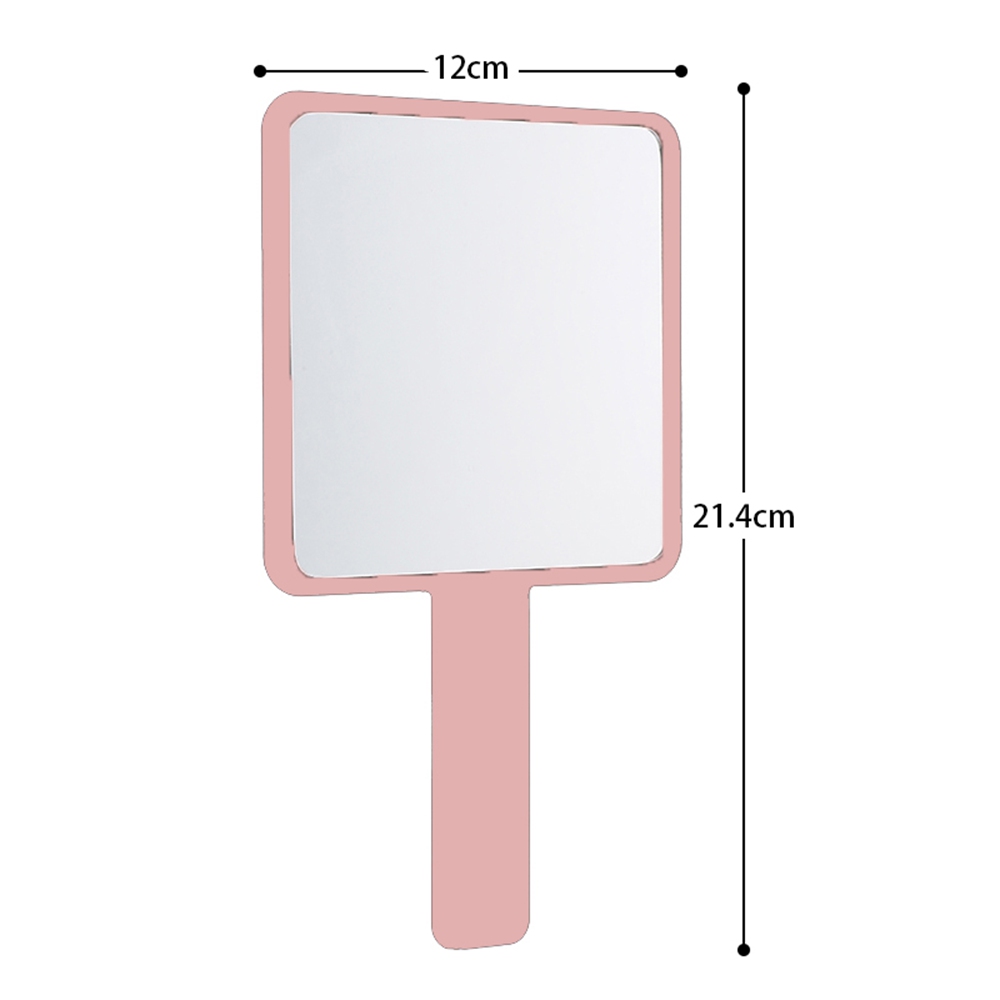
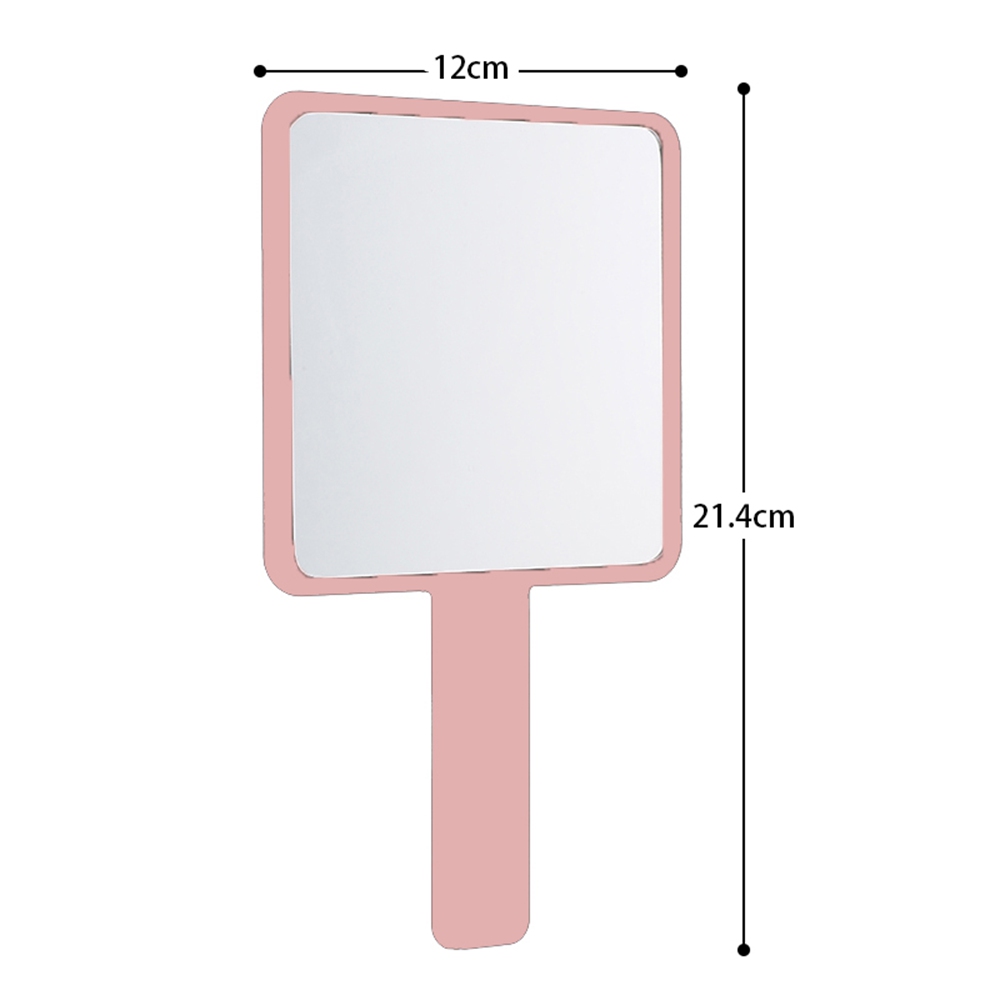
Begin with an item reference and a plain description of the product the buyer expects to receive. For a handheld mirror, ask whether the offer covers the finished mirror with its handle and frame as shown, or a different supply scope. A glass blank or loose frame may also be quoted in pieces, so the unit word alone is insufficient.
Attach the selected catalogue reference and identify the colour or size version being discussed. Ask the supplier to repeat the complete item description beside the quoted unit basis. Keep a request for loose replacement components on separate lines so it cannot be mistaken for an alternative price for the finished item.
Official catalogue reference: square handheld mirror.
2. Count reflective faces separately
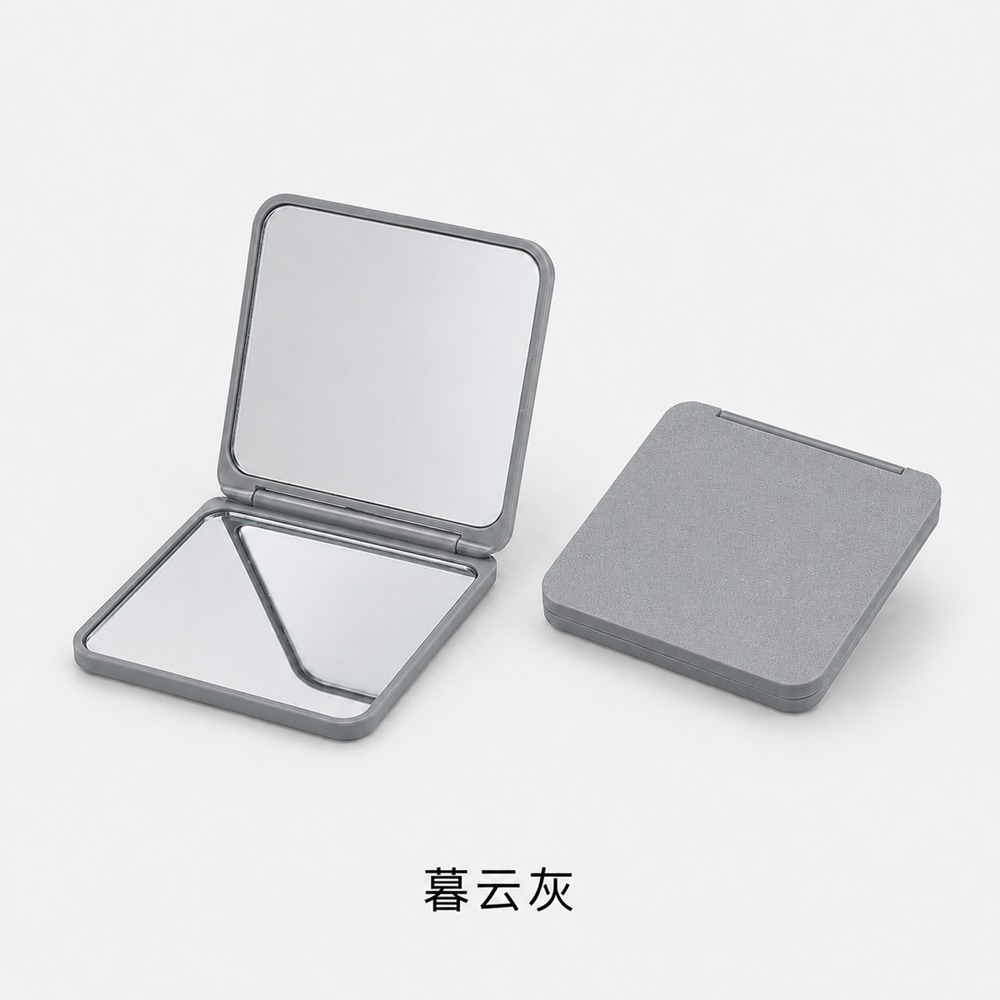
A two face compact has more than one reflective surface within its construction. That does not mean that opening one compact creates two independently supplied complete products. Use separate columns for the number of complete items and the descriptive count of reflective faces. Ask the supplier to confirm how the quotation defines both fields.
For the selected square folding compact, the listing describes plain mirrors on both sides. That supports a face description for the catalogue reference, but it does not establish the contents of a particular commercial offer. Keep the actual quotation scope explicit and avoid using double sided as a quantity multiplier when preparing a purchase comparison.
- Name the finished item and exact catalogue version.
- Keep complete item count separate from reflective face count.
- List each confirmed accessory and any excluded component.
- Use one quotation revision when comparing the resolved scope.
3. Ask about extras on their own lines
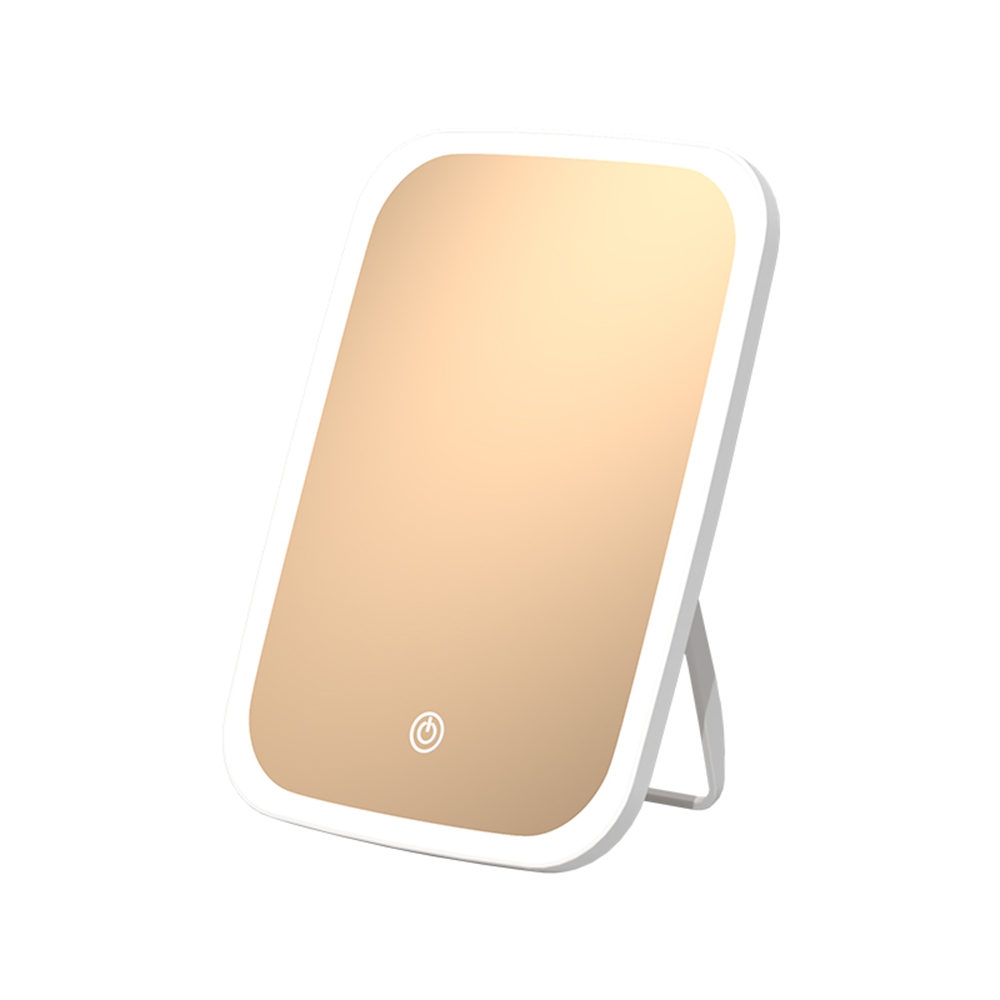
Powered mirror offers need an equally explicit component schedule. The Model 02 listing mentions Type C charging, but that statement does not identify the contents of an ordered kit. Ask whether the proposed offer includes a cable, any external power adaptor, instructions or other components, and ask the supplier to identify each confirmed item.
Do not assume that all electrically compatible accessories are included, or that a photographed prop forms part of the order. Likewise, a handheld mirror shown without retail packaging does not establish whether packaging is included in the quotation. Resolve inclusions directly rather than treating a product image as a commercial packing list.
| Catalogue family | Unit question | Separate descriptive field |
|---|---|---|
| Handheld mirror | Is one unit the finished mirror with handle and frame? | Loose components quoted separately |
| Folding compact | Is one unit the complete folding case with its mirrors? | Number and function of reflective faces |
| LED mirror | Which complete item and accessories are included? | Cable, adaptor and instructions if confirmed |
4. Compare offers on one declared basis
Use the same complete item quantity and inclusion fields across the offers being considered. An offer with separate accessory lines can still be compared, provided the buyer can see which components belong to the requested scope. An unresolved inclusion should stay unanswered; do not silently add an estimated accessory value or assume a free component.
The table provides a way to ask consistent questions across product families. It does not claim that the illustrated models are offered as the same bundle. Ask each supplier response to show its date or revision and the exact model reference, so a later change to an accessory or finished item does not get mixed into an earlier comparison.
5. Keep sample and bulk quotation scopes aligned
A sample may be supplied with demonstration accessories or a different presentation arrangement. Ask whether the sample represents the complete item and inclusion schedule proposed for the bulk offer. If it differs, document the difference before using the sample as the approval reference. The buyer should know which elements are product references and which are optional additions.
Before placing an order, send the resolved unit definition back with the selected variants and requested quantities. Ask the supplier to acknowledge any remaining inclusion questions. This short reconciliation connects the RFQ, sample and quotation without substituting an assumption about carton quantities, payment conditions or fulfilment arrangements for the supplier’s actual commercial response.
Frequently Asked Questions
Does a double sided mirror count as two units?
Only the agreed quotation unit definition establishes the commercial count. Separate the number of complete items from the number of reflective faces and ask the supplier to confirm the basis.
Does Type C charging mean a cable and adaptor are included?
No inclusion can be established from the connector description alone. Request an explicit accessory list for the exact proposed offer and follow the supplier’s product instructions.
Can a sample accessory be assumed to be in the bulk offer?
No. Ask whether the sample inclusion schedule matches the bulk quotation. Record any demonstration item or optional accessory separately before approving the commercial scope.
For a product-specific enquiry, square handheld mirror is the catalogue starting point. Read the supplier blog and contact the supplier with the references and open questions described above.