
Enhancing Customer Experience with Touch Control Mirrors in Retail Spaces
In today’s fiercely competitive retail landscape, providing an exceptional customer experience is not just important; it’s essential. Retailers are continuously on the lookout for innovative solutions that can engage customers and elevate their shopping journeys. One such innovation that has gained significant traction is the touch control mirror. These mirrors serve not only a functional purpose but also enhance the overall shopping experience by offering interactive features tailored to modern consumer needs.
Specifications of Touch Control Mirrors
Key Features of Touch Control Mirrors
Touch control mirrors come equipped with a variety of features that distinguish them from traditional mirrors. Here are some standout characteristics:
- Touch Sensitivity: Users can easily navigate through various functions with just a simple touch.
- LED Lighting: Adjustable lighting settings create the perfect ambiance for makeup application or fashion assessments.
- Screen Integration: Many models feature screens that display product information, tutorials, or promotional content.
- Connectivity: Some mirrors offer Bluetooth or Wi-Fi connectivity, allowing synchronization with mobile devices for enhanced functionality.
Comparison with Traditional Mirrors
Unlike traditional mirrors, which provide only a basic reflective surface, touch control mirrors offer an interactive experience. In my experience, these mirrors allow customers to visualize products in real time, access beauty tutorials, or experiment with different looks without physically applying products. This level of interactivity significantly boosts customer engagement.
Technology Behind Touch Control Mirrors
The technology behind touch control mirrors consists of capacitive touch sensors that detect finger presence, enabling a smooth and responsive user interface. Moreover, advancements in LED technology have enhanced lighting quality, allowing for a more accurate representation of colors and textures, which is crucial for makeup and fashion applications.
Use Cases in Retail Environments
Makeup and Beauty Retail
In makeup and beauty retail settings, touch control mirrors act as a powerful tool for customer engagement. They enable customers to virtually try on different makeup looks, which enhances their shopping experience and increases the likelihood of purchase.
Fashion Retail Applications
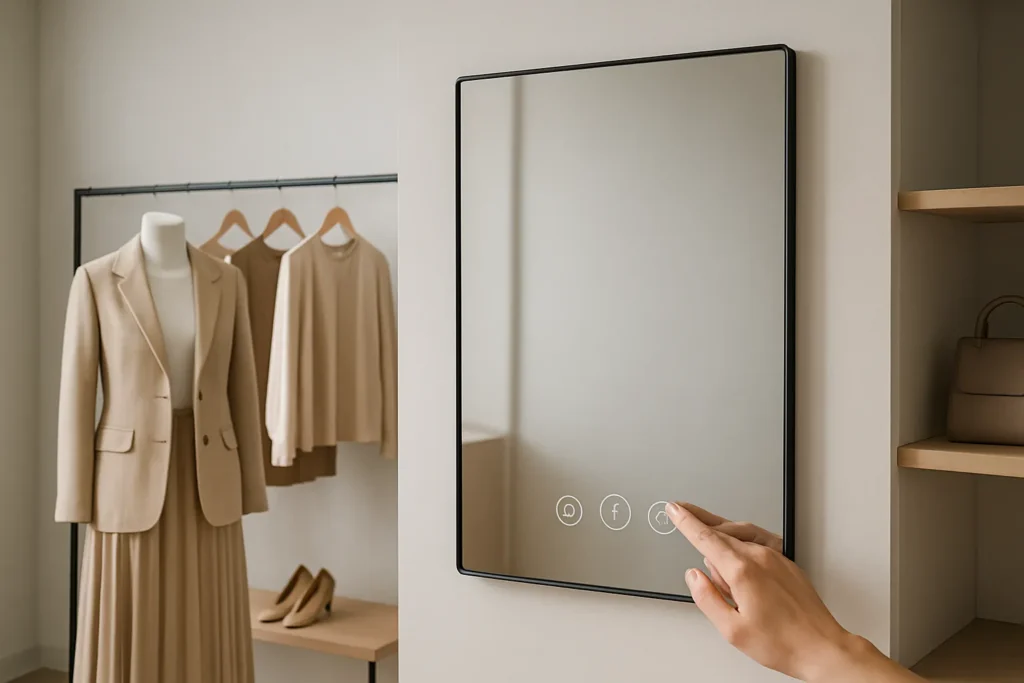
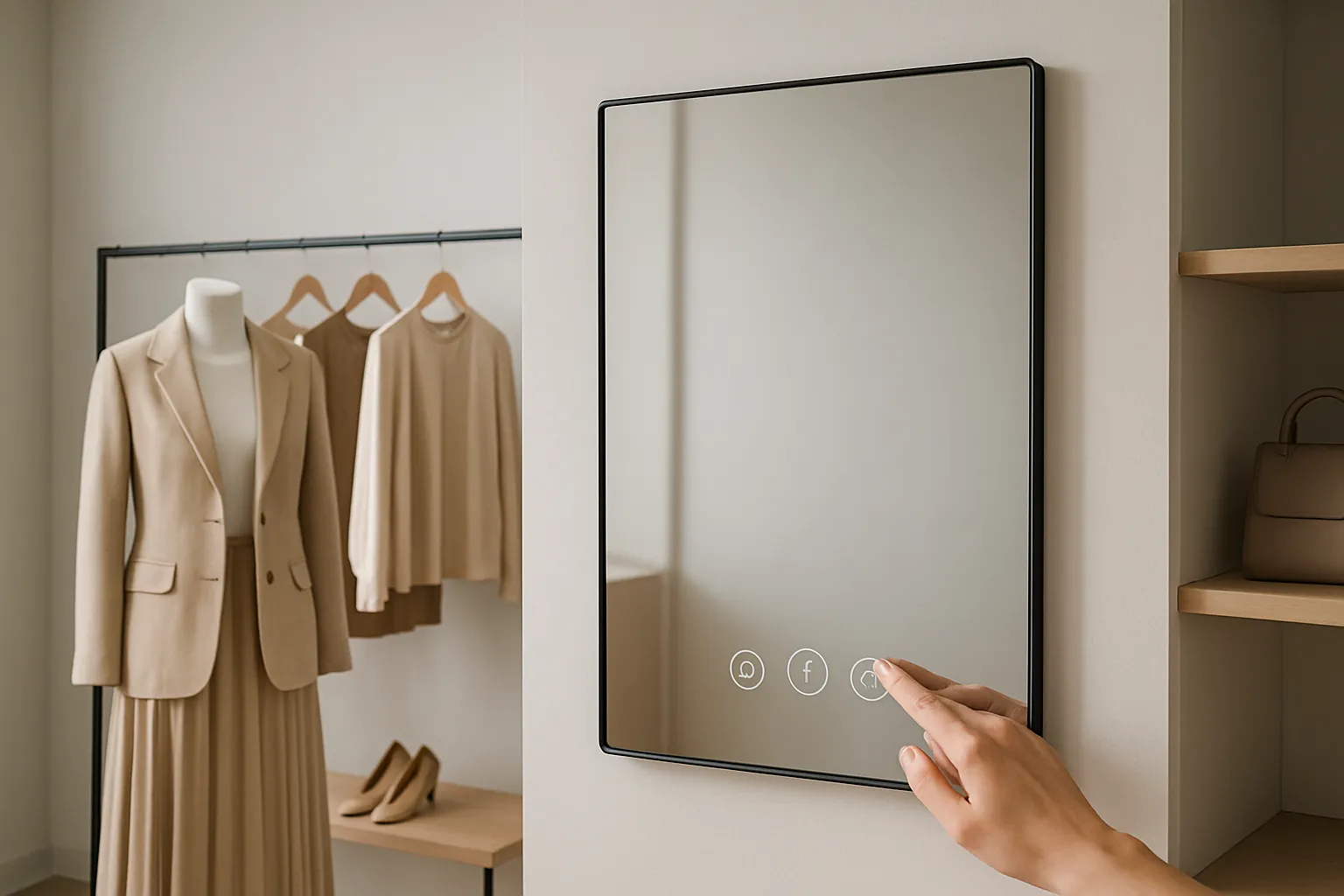
Fashion retailers can leverage touch control mirrors to display clothing options and accessories. Customers can digitally mix and match outfits, which not only saves time but also encourages them to explore more products.
Interactive Displays and Customer Engagement
Integrating touch control mirrors into interactive displays can serve as a focal point in retail spaces. They can showcase seasonal promotions, product launches, or customer testimonials, transforming a simple mirror into a dynamic marketing tool.
Benefits of Touch Control Mirrors
Enhancing Customer Interaction
The interactivity offered by touch control mirrors fosters a deeper connection between the customer and the brand. From what I’ve seen, customers feel more engaged and are likely to spend more time in the store, significantly increasing the chances of conversion.
Improving Product Visualization
With the ability to see products in a realistic setting, customers can make informed decisions. This improved visualization is particularly valuable in beauty and fashion retail, where color accuracy and fit are paramount.
Streamlining Checkout Processes
Certain touch control mirrors can integrate with point-of-sale systems, allowing customers to complete purchases directly from the mirror interface. This streamlining of the checkout process reduces wait times and enhances customer satisfaction.
Sourcing Touch Control Mirrors
Top Manufacturers and Brands
When sourcing touch control mirrors, it’s crucial to consider reputable manufacturers known for quality and innovation. Brands such as Simplehuman, Conair, and Zadro are recognized for their advanced mirror technology and reliability.
Considerations for Quality and Reliability
Quality is essential when selecting touch control mirrors. Factors such as durability, warranty, and customer support should be evaluated to ensure long-term satisfaction. Choosing the right small mirror can provide insights into the best options available.
Pricing and Budgeting
Pricing for touch control mirrors can vary significantly based on features and brand. Retailers should evaluate their budget while also considering the potential return on investment through increased sales and customer engagement.
Implementation Strategies
Installation Best Practices
Proper installation is crucial for maximizing the benefits of touch control mirrors. Retailers should ensure mirrors are positioned at optimal heights and locations to enhance visibility and accessibility.
Staff Training and Customer Education
Employees should be trained on how to use and demonstrate touch control mirrors effectively. Providing customers with informative sessions on how to utilize the mirrors can also enhance their experience.
Maintenance and Support Considerations
Regular maintenance is essential to keep touch control mirrors functioning optimally. Retailers should establish a maintenance schedule and ensure access to technical support for troubleshooting.
Case Studies and Success Stories
Retailers Successfully Using Touch Control Mirrors
Several retailers have successfully integrated touch control mirrors into their spaces. For instance, a leading cosmetics brand reported a 30% increase in sales after implementing touch control mirrors, which allowed customers to engage with products more interactively.
Measurable Outcomes and Customer Feedback
Customer feedback has been overwhelmingly positive, with many praising the enhanced shopping experience. Retailers have noted that customers are more likely to try new products when they can visualize them effectively.
FAQs about Touch Control Mirrors
Common Questions and Concerns
Many retailers often wonder about the durability and ease of use of touch control mirrors. Generally, these mirrors are designed for frequent use and built to withstand the demands of a retail environment.
Troubleshooting Tips
Common issues may include unresponsive touch screens or connectivity problems. Regular software updates and routine checks can help mitigate these concerns.
Future Trends in Touch Control Technology
As technology continues to evolve, future trends may include augmented reality features that allow customers to see themselves in different products or styles in real-time, further enhancing the retail experience.
Conclusion
Touch control mirrors represent a significant advancement in retail technology, enhancing customer experiences through interactivity and improved product visualization. By incorporating these innovative tools, retailers can engage customers more effectively, drive sales, and improve overall satisfaction. As the retail landscape continues to evolve, embracing technologies like touch control mirrors will be crucial for staying competitive and meeting customer expectations.