Mirror RFQs: Match Listed Colours to Order Codes
A colour name on a tabletop-mirror page is a useful starting point for an enquiry, but it is not automatically an order identifier. For the Wheat Straw Tabletop Mirror listing, White, Pink, Blue and Purple are supplier-listed colour labels. A buyer preparing an RFQ needs to ask whether the supplier uses codes for the relevant offer and, if so, how those identifiers relate to each requested colour and quotation line.
The immediate decision is whether a returned quotation identifies the intended colour configuration clearly enough for the buyer’s next commercial review. This does not require the buyer to invent a code system. It requires an attributable link between the requested label, the supplier’s actual reply and the particular item offered. A descriptive answer may be useful even where the supplier declares no code.
Start with the exact product and colour wording
Reference the supplier’s Wheat Straw Tabletop Mirror page in the enquiry:
https://qzmirror.com/product/wheat-straw-tabletop-mirror/
Copy the requested colour label exactly as listed. Keep White, Pink, Blue and Purple as four catalogue labels without treating them as confirmed stock, accepted order options or a promise that every shape is supplied in every colour. The listing of Square / Round does not by itself create a full shape-and-colour ordering matrix.
Identify which configuration the enquiry concerns and ask the supplier to state what it actually offers. If the buyer has not selected a shape, make that open decision visible rather than sending an ambiguous colour-only line. This allows the supplier’s reply to address a named request without implying that the catalogue has already confirmed all combinations.
Ask whether codes exist before requesting a mapping
The first question is whether the supplier uses an item, variant or quotation identifier for the offered configuration. If it does, request the exact identifier and its role. A product-level reference may cover several colour descriptions; a quotation-line reference may identify only the current offer. Neither role should be assumed from the appearance of the identifier.
If no supplier code is provided, retain that fact and request a sufficiently specific written description for the quotation row. An internal buyer row number can organise the enquiry, but label it as the buyer’s reference. It must not appear to be a manufacturer code or an identifier that the supplier has accepted for future orders.
Build an RFQ row that preserves the distinction
For each requested line, keep the following information separate:
– Buyer enquiry-line reference and the named product listing.
– Requested catalogue colour label and the configuration requiring confirmation.
– Supplier’s offered colour wording and any actual identifier it provides.
– Meaning and scope of that identifier, including the quotation revision where stated.
– Unanswered differences requiring a supplier response before the buyer decides.
This arrangement makes a mismatch visible. If the enquiry asks about Blue but the reply uses another description, the buyer can request an explicit relationship between the two. Do not silently translate the supplier’s wording into a catalogue label. If an identifier applies to several colours, ask how the particular quoted line distinguishes the intended option.
Use photographs as references, not ordering authority
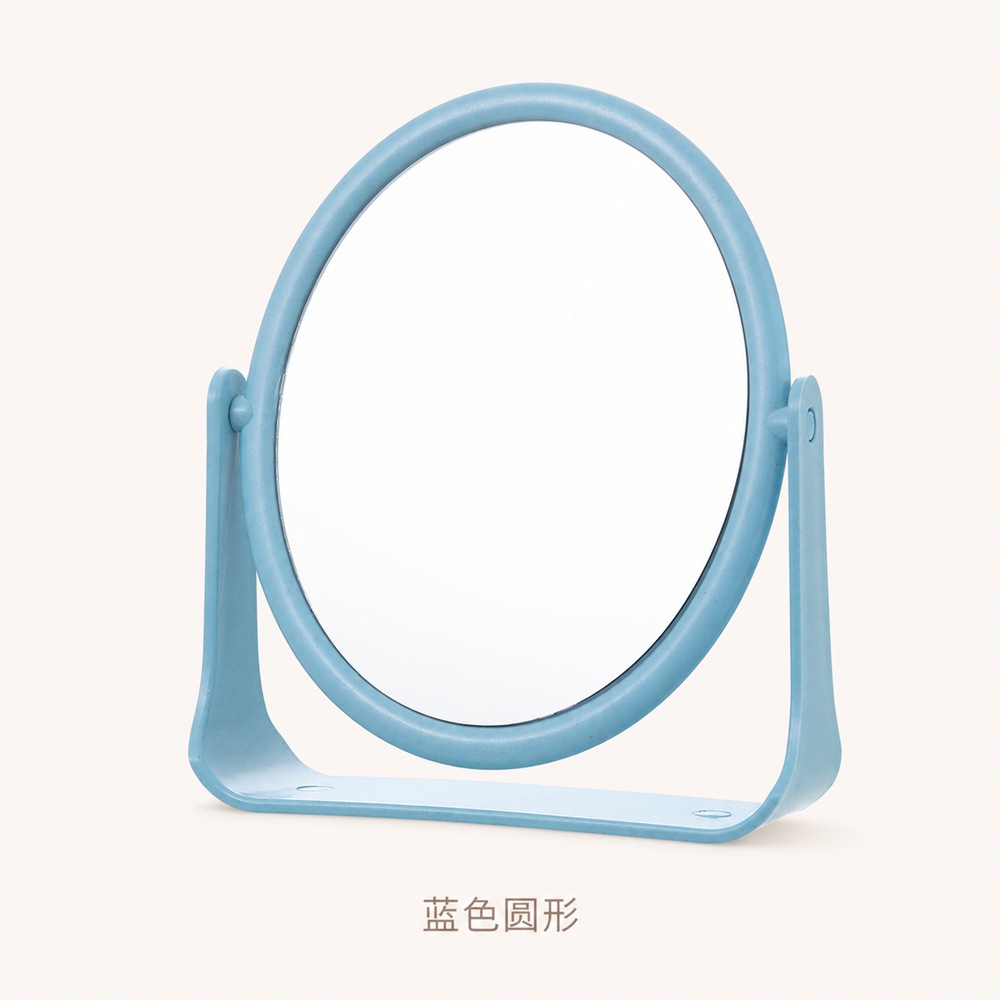
The blue round photograph can identify the subject of a colour enquiry. It does not establish an order code, exact colour accuracy or supply availability. A buyer can reference that image and ask the supplier which offered configuration it represents, while retaining the written colour label as a separate part of the request.
The beige square photograph also needs careful treatment. Beige in the image reference is not confirmed as White in the listed colours. Do not merge those descriptions or create an additional catalogue option from the photograph. Where that appearance matters to the enquiry, request the supplier’s own identification and whether it is part of the actual proposed offer.
Compare the reply with the requested lines
On receipt of a quotation, compare each offered description and identifier with its corresponding enquiry line. Look for missing colour wording, identifiers repeated across unlike descriptions, or a changed configuration reference. These are questions for clarification, not evidence that the supplier made an error or that a particular option must be available.
If a reply refers only to the general product page, ask which named colour and configuration the quotation actually covers. If it contains a code without an explanation, ask what the code identifies. A clear response may confirm a single line while leaving the remaining requests unanswered; keep those different outcomes distinct instead of treating one answer as approval of the complete enquiry.
Keep revisions attributable
Retain the supplier’s response reference and the relevant quotation revision alongside any clarified mapping. When a later reply changes a label or identifier, preserve the earlier record and request which description governs the revised offer. Do not assume that the new identifier replaces every earlier use of the same colour name.
The buyer’s resulting decision can be limited and practical: a particular line is sufficiently identified for further commercial review, or it still needs clarification. That decision is not an accepted order, a stock reservation or a colour-match guarantee. Price, minimums, delivery conditions and other terms need their own actual supplier statements rather than being inferred from a well-identified colour line.
FAQ
Does a listed colour have an order code automatically?
No. The available colour list does not declare codes. Ask whether the supplier uses an identifier for the offered configuration and request its exact meaning if one is provided.
Can the buyer create a code to simplify the enquiry?
A buyer can use an internal enquiry-line reference, clearly labelled as such. It should not be presented as a supplier code or as evidence that the supplier accepted that identifier.
Does the Blue photograph confirm a Blue offer?
No. The photograph is a product reference. Ask the supplier to identify the actual offered configuration and its quotation description without treating the image as stock or colour assurance.
What if the quotation and catalogue use different labels?
Keep both wordings and request their explicit relationship for the named quotation line. Leave the mapping unresolved until the supplier addresses the difference rather than substituting one label for the other.